
There should be no doubt piracy of your work should be a consideration before publishing it. It’s always been a big problem in the creative arts – whether it be art, music, film or books. Regardless of an author’s status, piracy is a real crime that harms authors and readers alike. It is important to understand the steps of preventing piracy and if options such as DRM are applicable to your circumstances.
What is DRM? How do you apply it to your books?
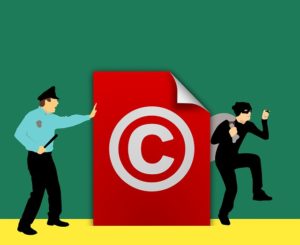
DRM, or Digital Rights Management, is a technology that is applied to something, in order to limit or control its use, in order to protect its copyright or author. Downloading from iTunes is a great example of this. If you purchase a book on the iBookstore, and then buy a Kindle, you must re-purchase that book through Amazon, because you cannot move the one you have already purchased out of the Apple ecosystem. That is DRM applied to a system – you are unable to share between the two platforms.
When publishing your book, you will be asked if you wish to enable DRM on your book. When selling your eBook through a distributor, enabling DRM is a one-click selection during the upload/publish process. The buyer will be purchasing the book on the bookseller’s site (whether it be Amazon, iBooks, etc) and reading it on their platform. So if you click ‘enable DRM’ this means the reader is not able to load it on other devices.
DRM applied to a book means that the purchaser is unable to share a book between more than device. For example, if they purchase your Kindle book and download it to their phone, they are then unable to share it to a desktop or iPad. It is a single-use download.
Will This Stop Piracy?
 Although applying DRM can be a way of minimizing piracy (you cannot stop piracy because DRM on all platforms have already been cracked), it can cause some issues for honest people who are legitimately wanting to read and enjoy your book.
There is also a customer service consideration with this decision too. If clients are trying to upload the file to multiple devices and are not able to (due to the DRM you have applied to the file), you will receive a lot of queries asking for technical help.
Deciding whether or not to use DRM is a personal choice, as it clearly has both pros and cons. Also, it will not prevent piracy entirely. Entities that distribute pirated books have already cracked DRM encryption.

0 Comments