

The New Rules of Book Discoverability
Something important has changed in the way people find experts.
Not long ago, someone looking for a consultant, speaker, attorney, financial professional, coach, or industry expert would start with Google. They would type in a question, scroll through the results, open a few websites, and begin comparing their options.
People still do that. But now they are also asking AI.
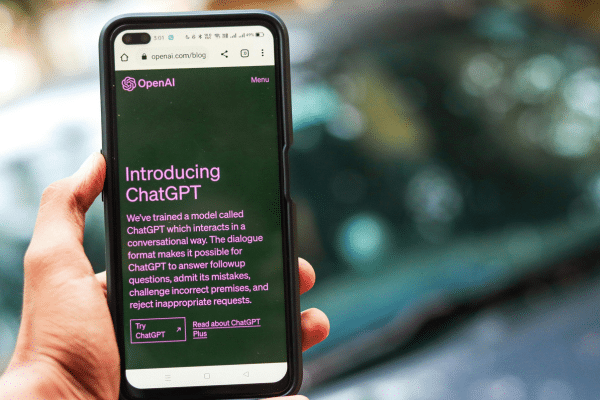
They are opening ChatGPT, Gemini, Perplexity, and other AI tools and asking questions such as, “Who are the experts on this topic?” or “Who should I hire to help me solve this problem?”
Instead of scrolling through pages of search results, they may receive one answer containing only a handful of names.
That changes the visibility game.
If your expertise is difficult to find and understand online, you may never make that short list. It does not mean you are less qualified. It means the digital footprint around your expertise is not strong enough yet.
And this is one of the reasons a book has become even more valuable.
Why a Book Can Strengthen Your Authority
A book gives you something a social media post cannot: a substantial body of work connected to your name and expertise.
It gives you topics, frameworks, stories, terminology, questions, and answers that can become part of your larger online presence.
But simply publishing a book is not enough.
The strongest authors build an ecosystem around their books. Their website talks about the same subjects. Their podcast interviews reinforce those ideas. Their LinkedIn profile positions them in the same area of expertise. Their articles, videos, author pages, and media appearances all help tell the same story.
That consistency matters.
When someone searches your name—or asks an AI platform about your area of expertise—you want it to be very clear who you are, what you know, and what you are known for.
Write Around the Questions Your Audience Is Already Asking
Authors naturally want creative chapter titles. There is nothing wrong with that, but clarity matters too.
Think about the questions your ideal readers are already typing into Google or asking an AI assistant.
If you are a consultant, for example, a chapter called “How to Price a Consulting Engagement” immediately communicates what the reader will learn. A clever title such as “The Value Equation” may sound interesting, but without additional context, its subject is much harder to understand.
You can still be creative. Just make sure readers—and search platforms—can understand what the content is actually about.
Pay Attention to Your Categories and Keywords
Book metadata is easy to treat as a final administrative step.
It shouldn’t be.
Your categories, keywords, book description, subtitle, and author information all help position your book. The more specific and accurate that positioning is, the easier it becomes for the right reader to understand why the book is relevant.
Trying to appeal to everyone usually makes a book harder to position.
Specificity gives your book a clearer place in the market.
Build a Consistent Author Presence
Your book should not exist in isolation from the rest of your brand.
Use a consistent professional name, biography, headshot, message, and area of expertise across your author pages, website, LinkedIn profile, podcast appearances, media features, and other platforms.
Think of all those places as pieces of the same puzzle.
One profile tells people what you do. Your book demonstrates what you know. A podcast interview lets people hear how you think. An article gives them another entry point into your expertise.
Together, those pieces create a much stronger authority footprint than any one piece can create alone.
Our free Author Visibility Roadmap can help you see where your current authority signals are strong and where you may still have gaps.
Turn Your Book Into More Than a Book
This is where the real opportunity begins.
One chapter can become several articles. A framework can become a LinkedIn post. A client story can become a podcast conversation. A section of the book can inspire a video, webinar, keynote, email campaign, or media pitch.
Instead of constantly trying to invent something new to say, you continue building around the ideas you already own.
That creates a powerful cycle.
Your book creates content. Your content creates visibility. Visibility builds authority. Authority introduces new people to you and your ideas. And those people often find their way back to your book.
That is how a book becomes more than something you sell on Amazon.
It becomes the foundation of your authority.
Start Building the Footprint Now
You do not need another ten years of experience before becoming more visible.
You need to make the expertise you already have easier to find, understand, and trust.
Publishing a book is one powerful way to do that, but the biggest opportunity comes from what you build around it.
Your book, website, articles, interviews, podcasts, social content, and media appearances should reinforce one another.
When someone searches for an expert in your field, you want your name to make sense as part of the answer.
Questions Authors Ask
Will AI systems actually cite my book?
AI platforms differ in how they retrieve, summarize, and cite information, and those systems continue to change. What you can control is creating a strong, credible body of content that clearly connects your name with your area of expertise.
Do I need to change the way I write my book?
You do not need to sacrifice your voice. Focus instead on clarity and structure. Strong headings, specific language, useful frameworks, and direct answers make a book easier for readers to understand and easier to repurpose into other forms of content.
Is AI discoverability different from traditional SEO?
There is significant overlap. Both benefit from clarity, credibility, consistency, and a strong online presence. The bigger lesson is that your expertise should not exist in only one place online.
What if my book is already published?
You still have plenty of opportunities. Review your metadata, categories, keywords, author pages, website, and the content surrounding your book. You can continue creating articles, interviews, podcasts, videos, and other resources based on the book long after launch.
Want your expertise to be easier to find when people—and AI—start looking for answers?
Learn more at Elite Online Publishing and follow our blog for more strategies on turning your book into an authority-building asset.


0 Comments